
'Last mile delivery' refers to the final stage of the delivery process, when products are transported from a distribution center or local warehouse to the end customer. This stage is crucial in the supply chain because it directly affects the customer experience and overall satisfaction with the service. Last mile delivery is particularly important in e-commerce, where customers expect fast and efficient delivery of products directly to their doorstep.
One of the key components of the last mile delivery process is efficient route planning and optimization. Delivery routes are optimized to reduce fuel costs, delivery times, and carbon emissions. Algorithms and software solutions help create the most efficient routes. Delivery planning also takes into account factors such as delivery times, customer preferences, and traffic congestion.
When it comes to tracking technology, the use of real-time vehicle and package tracking enables both customers and companies to monitor the status of deliveries. Mobile applications provide information about the estimated time of arrival (ETA) and enable two-way communication between the delivery driver and the customer.
Flexible delivery options are another important aspect of the process, offering customers different choices such as same-day delivery, express delivery, or scheduled delivery at a specific time. Additional options may include delivery to alternative locations, such as parcel lockers or workplaces, as well as in-store pickup.
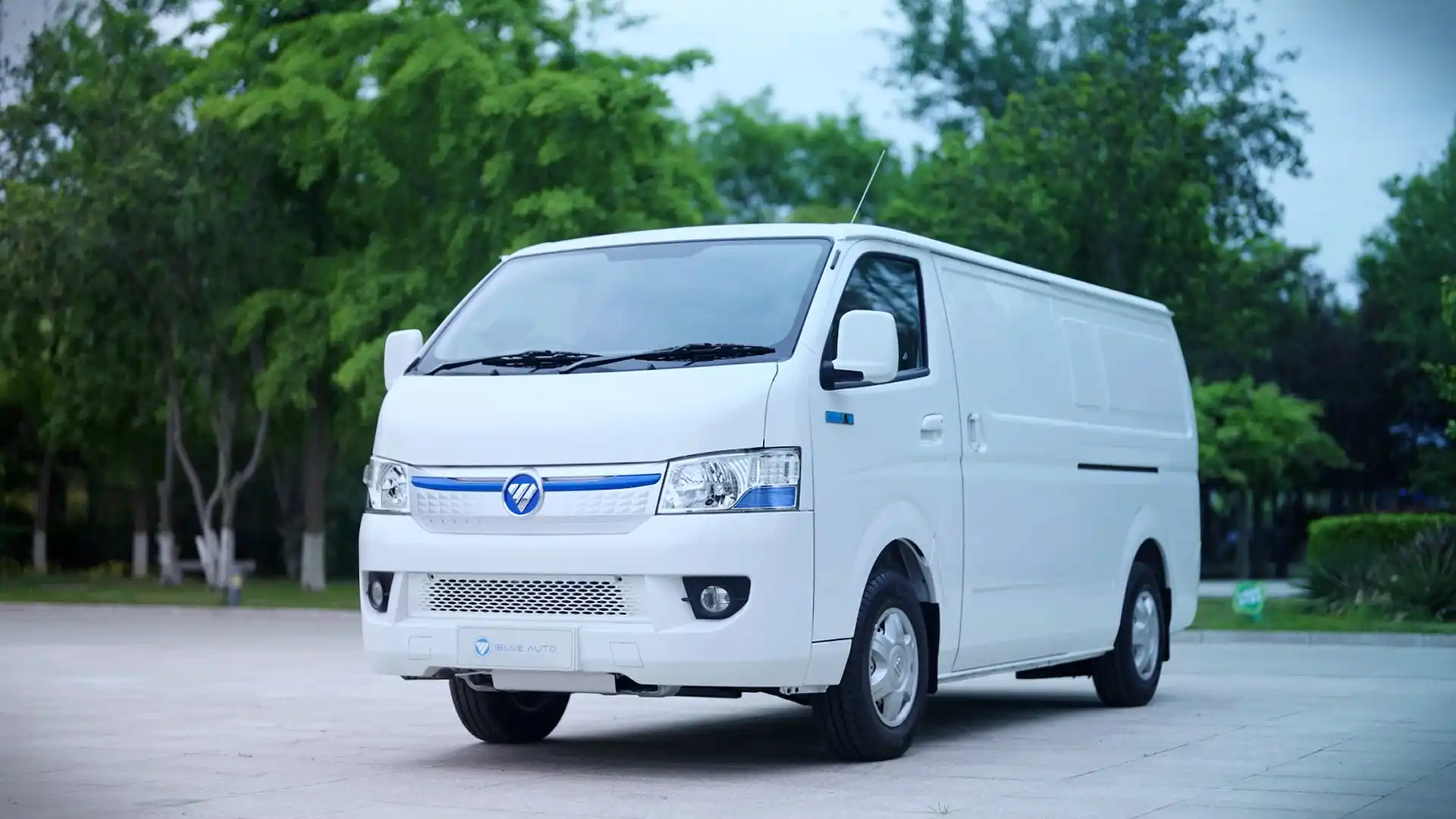
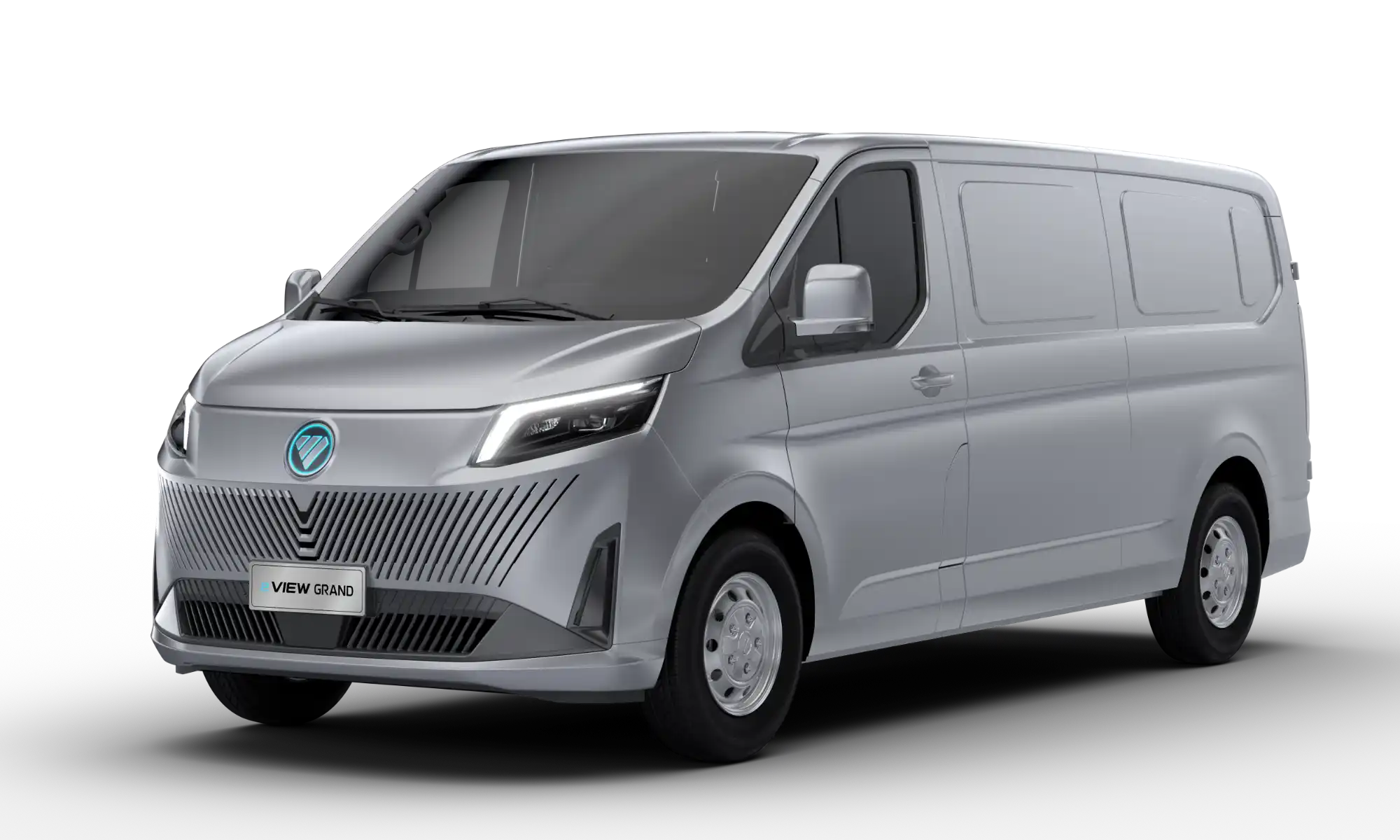
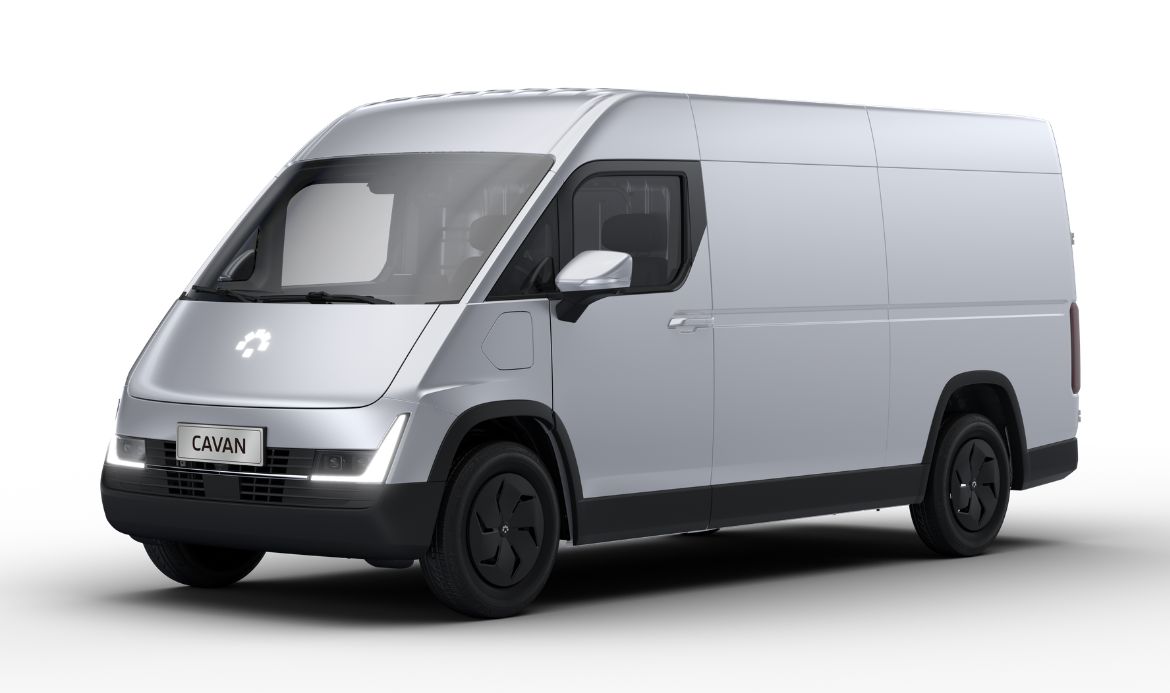
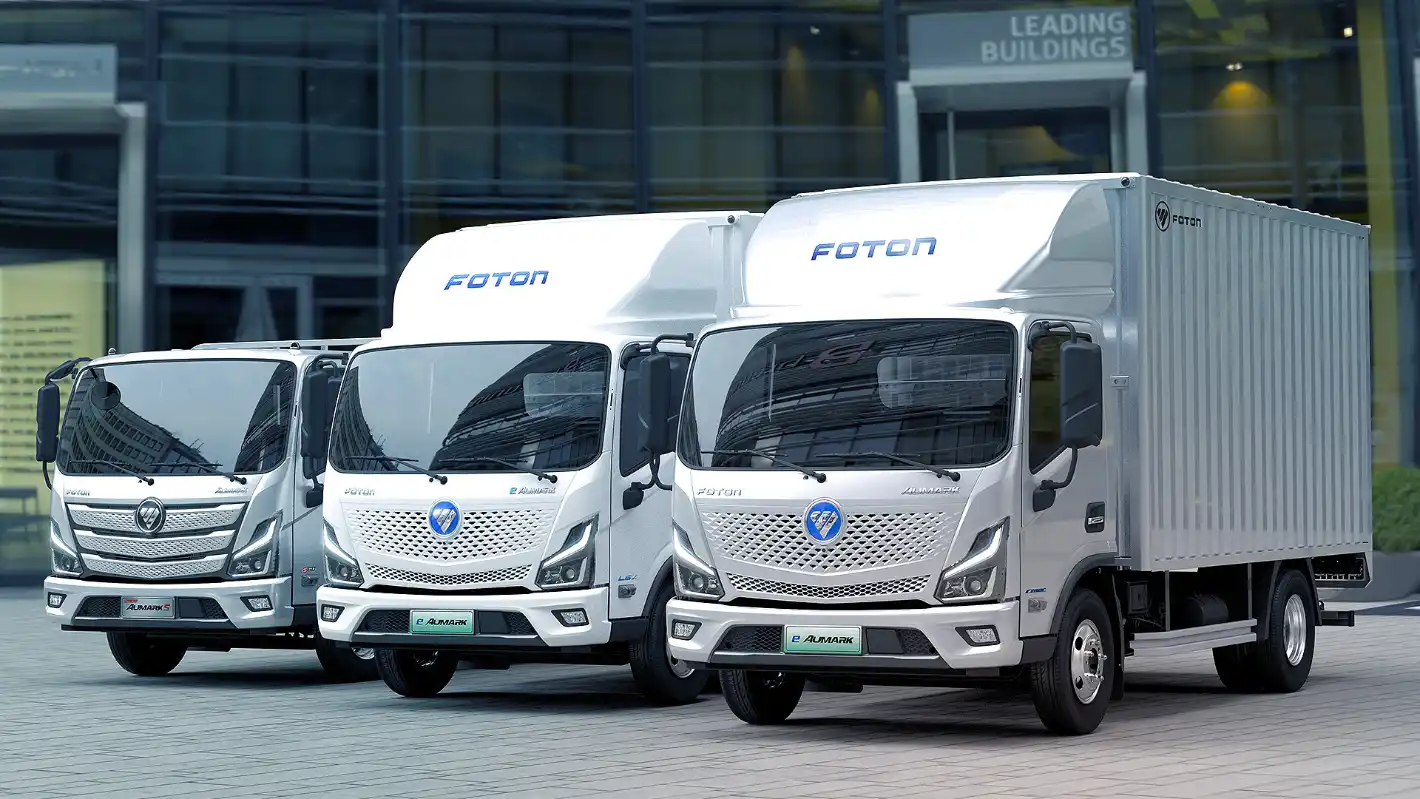
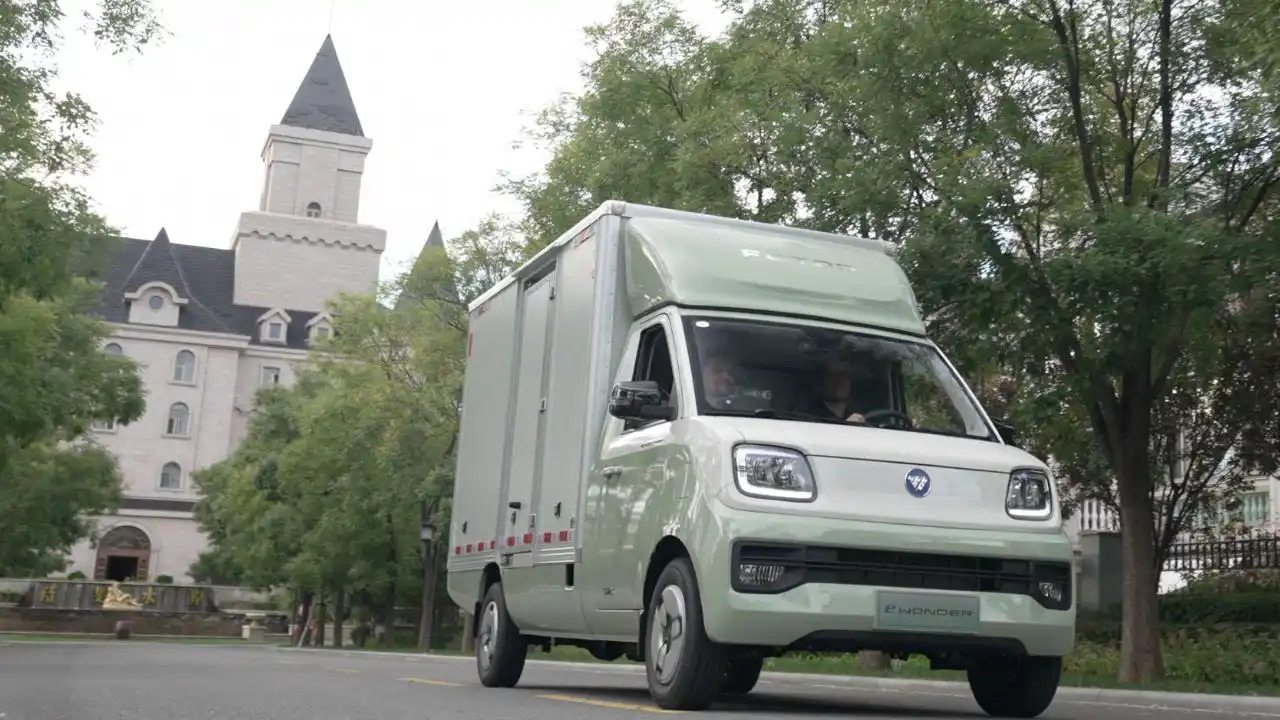
Last but not least is sustainable delivery. This includes introducing environmentally friendly solutions such as electric vehicles, delivery bicycles, and the use of renewable energy sources for warehouses. Packaging can also be optimized to reduce waste and improve delivery efficiency.
High Costs: Last mile delivery is often the most expensive part of the supply chain due to factors such as the small number of deliveries per route and the complexity of urban environments. Solutions include shared delivery networks, automation, and the use of local delivery providers.
Unforeseen Circumstances: Traffic congestion, adverse weather conditions, and customer unavailability can make timely delivery more difficult. The use of predictive analytics and flexible scheduling systems helps companies manage these challenges more effectively.
Improved Customer Experience: Fast and reliable delivery increases customer satisfaction and strengthens brand loyalty.
Competitive Advantage: Companies that successfully manage their last mile delivery processes can differentiate themselves from competitors, particularly in the e-commerce sector.
Reduced Operating Costs: Greater efficiency in last mile delivery can significantly reduce operating costs and improve profitability.
In conclusion, 'last mile delivery' is an important component of the modern supply chain, with a direct impact on customer satisfaction and a company's operating costs. Investing in technology, process optimization, and sustainable solutions helps companies overcome challenges and deliver products efficiently and on time.
Visit us at one of our locations throughout Serbia. Click on a pin on the map for more information.
Choose the vehicle you would like to test
and book your appointment.