
In recent years, ESG standards have become an increasingly important topic in the business world – a concept built around three key pillars: Environmental, Social and Governance. Although ESG may initially appear to be relevant only to large multinational corporations, it has become an essential part of doing business for medium-sized and smaller companies that want to remain competitive, attract partners and achieve long-term sustainability. In practice, this means that success is no longer measured solely by profit, but also by how a company contributes to its community, supports its employees and manages its environmental impact.
Why Is ESG Important?
By adopting ESG standards, companies gain a tangible competitive advantage. Banks and investors increasingly require evidence that businesses operate sustainably, while ESG criteria are becoming an important factor in both international and domestic tenders. In addition, the European Union is introducing new regulations such as carbon border measures, meaning that companies that fail to meet environmental standards may face higher operating costs in the future. ESG is therefore no longer simply a matter of choice, but a strategic decision that supports long-term stability and growth.
Electric Vehicles as a Practical Example
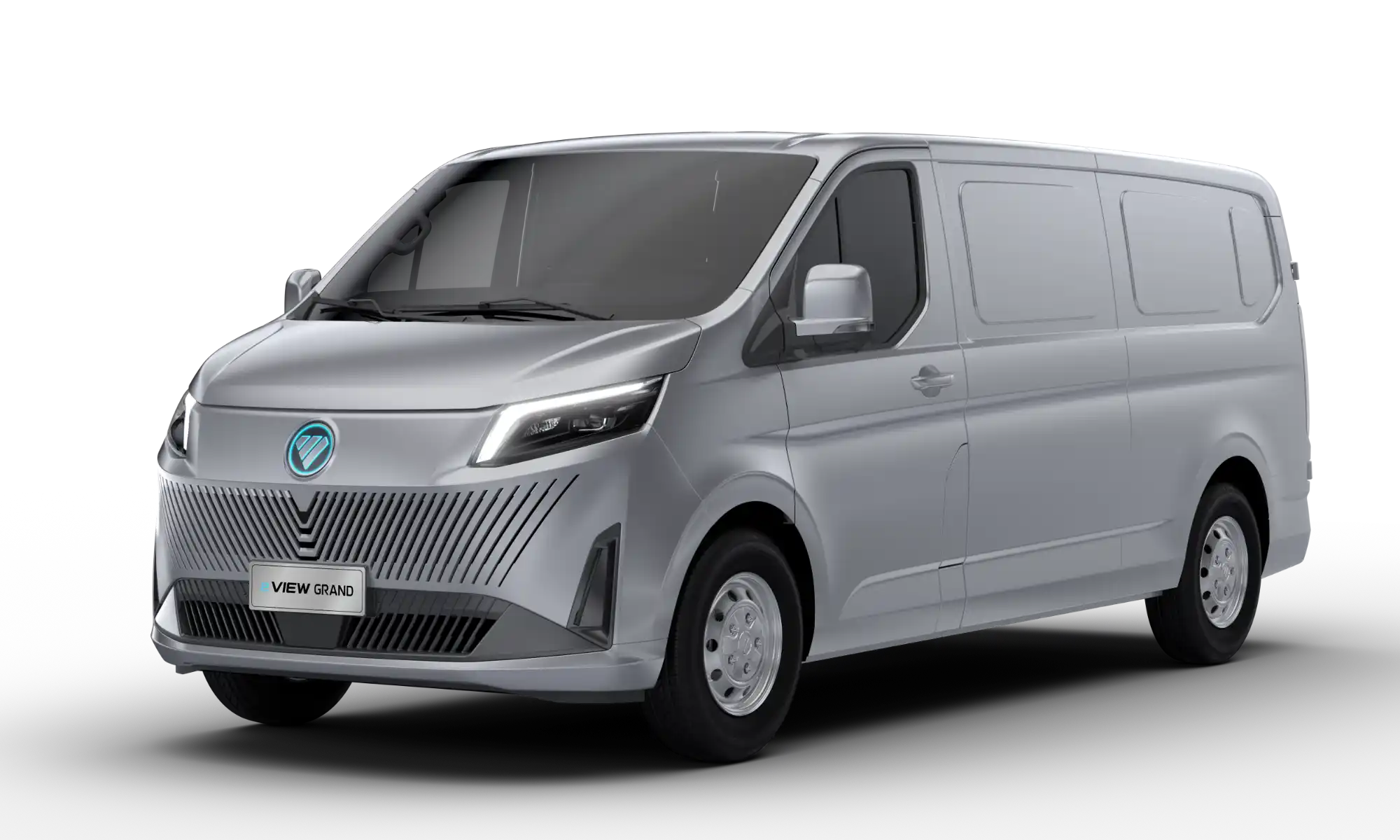
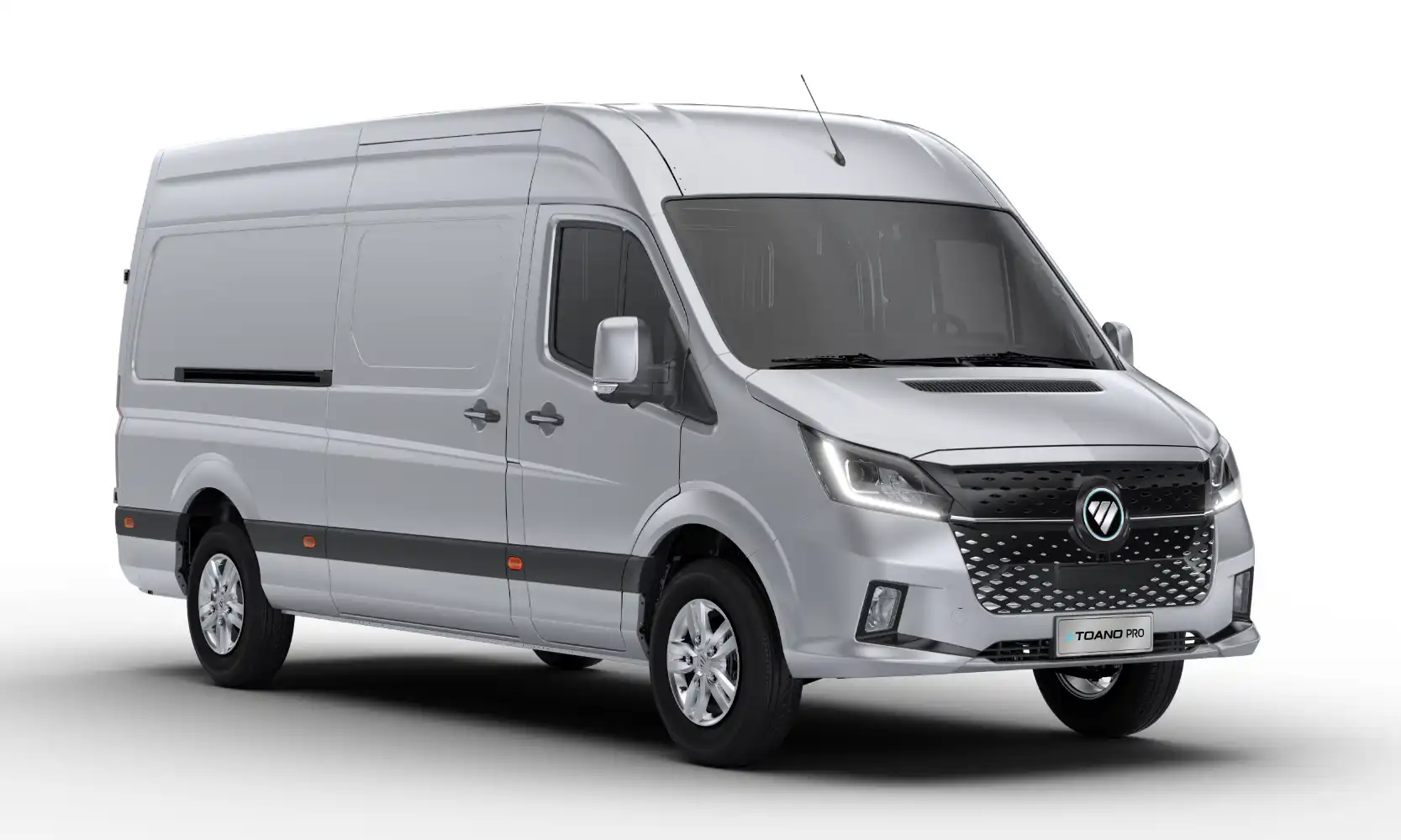
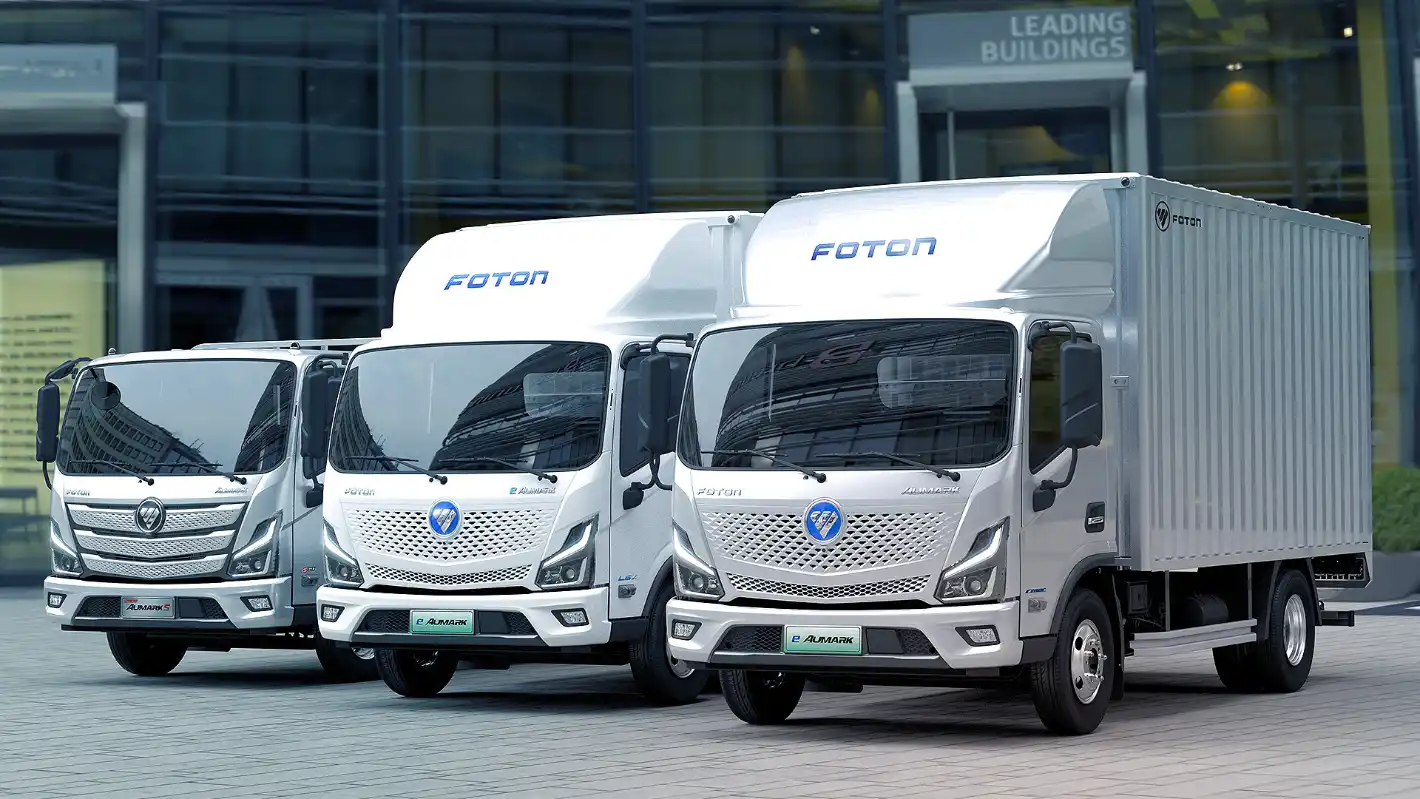
One of the most visible ways companies can improve their ESG profile is by introducing electric vehicles into their operations. Foton, as one of China's largest vehicle manufacturers, offers a broad range of models that directly contribute to ESG objectives: the eTunland (a pickup for everyday business requirements), eAumark (a light-duty truck for urban and regional deliveries), eAuman (a truck designed for more demanding transport requirements), as well as the eView and eView Grand vans, ideal for deliveries in urban areas.
Replacing part of a fleet with these vehicles delivers multiple benefits: reduced emissions, lower noise pollution in cities and the possibility of using renewable energy for charging. It is a solution that combines economic efficiency with social and environmental responsibility.
A practical example demonstrates how significantly such a step can change market perception. A company that replaced part of its delivery fleet with Foton electric vehicles not only reduced its fuel and maintenance costs, but also received additional points in an international tender thanks to its ESG performance. Customers and partners began to perceive the company as a modern and responsible business, further strengthening its brand and reputation.
The Three Pillars of ESG in Practice
Environmental (E) – switching to electric vehicles such as the Foton eView Grand significantly reduces CO₂ and other harmful emissions. Noise levels are also reduced, which is particularly important for deliveries in urban environments. In addition, companies can charge their vehicles using renewable energy sources, further contributing to the green transition.
Social (S) – ESG is not only about environmental responsibility, but also about people. The use of electric commercial vehicles contributes to a healthier working environment for drivers and employees, while customers increasingly perceive the company as a responsible partner that cares about the wider community. This directly helps strengthen customer trust and loyalty.
Governance (G) – ESG also involves compliance with European directives and regulations, transparent reporting and emissions monitoring. In this way, companies can strengthen their competitiveness in both public and private procurement processes.
Benefits That Go Beyond Savings
Electric vehicles and ESG initiatives are often perceived simply as additional costs. In practice, however, the opposite can be true. Companies that have taken steps in this direction have achieved significant financial savings on fuel and maintenance, while also benefiting from easier access to green financing and funding programmes. Beyond the economic benefits, they gain something that may be even more important in today's business environment – credibility and reputation.
Commercial vehicles such as the Foton eTunland pickup and eAumark light-duty truck are becoming an increasingly popular choice among companies looking to improve sustainability without compromising the reliability or capacity of their fleets. Introducing these models into business operations sends a clear message to the market – the company is thinking long term, keeping pace with industry trends and actively investing in the future.
Conclusion
ESG is not a passing trend, but a new business reality. Companies that recognise the importance of sustainable development in time will have an advantage over their competitors. They will be better positioned to attract investment, compete in tenders and prepare for increasingly stringent European regulations.
Introducing electric commercial vehicles such as the Foton eAumark, eAuman, eView and eView Grand is an excellent way to take the first step towards strengthening a company's ESG performance. By doing so, a business demonstrates responsibility towards the environment, its employees and society, while simultaneously improving its own efficiency and market position.
For this reason, ESG can rightly be described as more than just another business standard – it is an investment in the future of your company and the community in which you operate.
Visit us at one of our locations throughout Serbia. Click on a pin on the map for more information.
Choose the vehicle you would like to test
and book your appointment.